

Lead Generation
The 5 Best Ways to Get Final Expense Prospects in 2026, Ranked
For licensed final expense phone agents: we compared five ways to get prospects, judged on who starts the call, how many dials and hours it takes to write a policy, and how much of your day is left for selling.
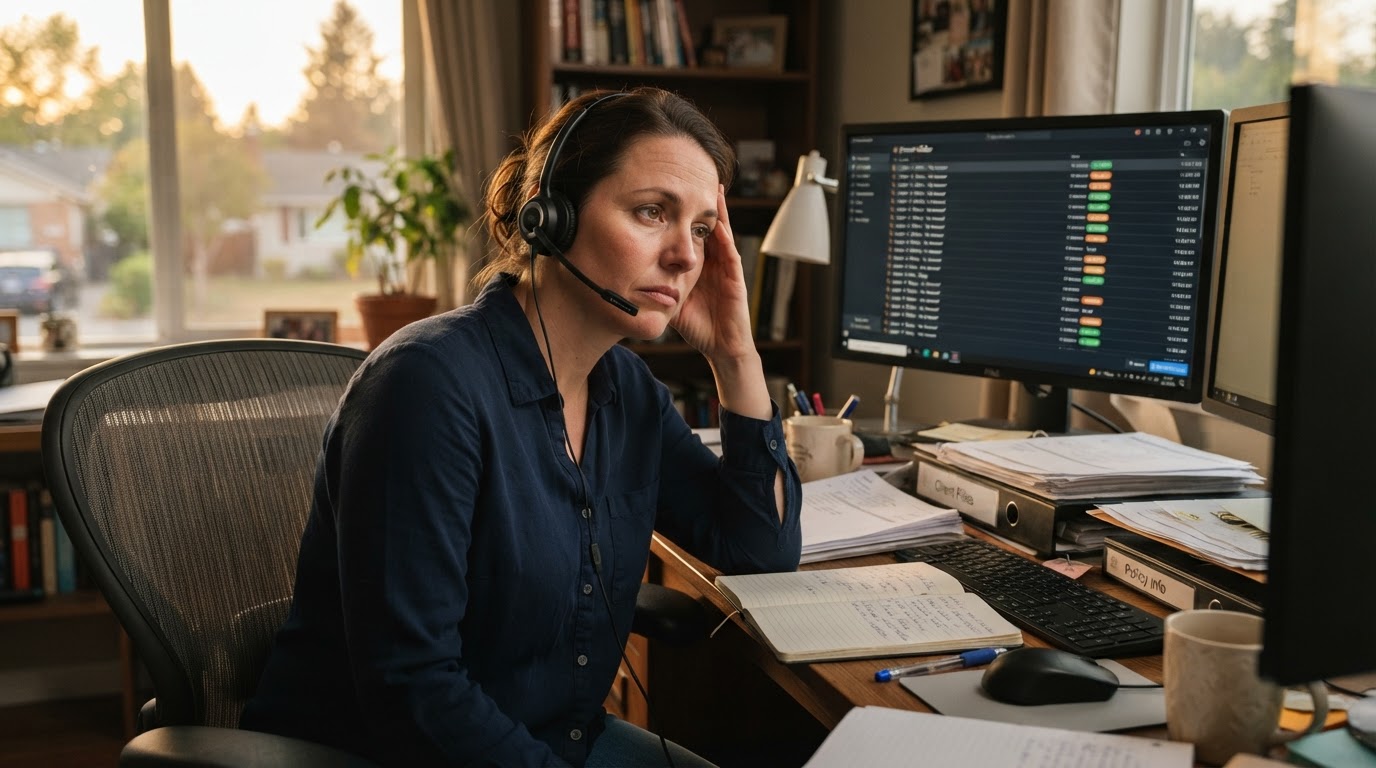
If you sell final expense by phone, the job has two halves. There's the half you're good at: the needs questions, the quote, the application. And there's the half that eats the day: finding a prospect who will pick up and talk to you.
Every agent solves that second half differently, and every recruiter, IMO, and vendor swears theirs is the best way. So we compared the five methods agents use most, using a worked example of the dials and hours it takes to write one policy with each.
How We Compared Each Method
Every method was measured against the same five questions:
- Who starts the call? The senior, a call center, or you?
- Dials and hours per policy. How much of your day is dialing, driving, or waiting, and how much is selling?
- Control. States, hours, volume, carriers.
- What lands on you? Minimums, compliance work, and (for the phone methods) a 13-month retention model.
How the math works. How the math works. Under each method is a short "math" box showing roughly what it takes to write one policy: dials, hours, and who does the reaching. The assumptions are visible so you can swap in your own.
Aged Leads on a Dialer
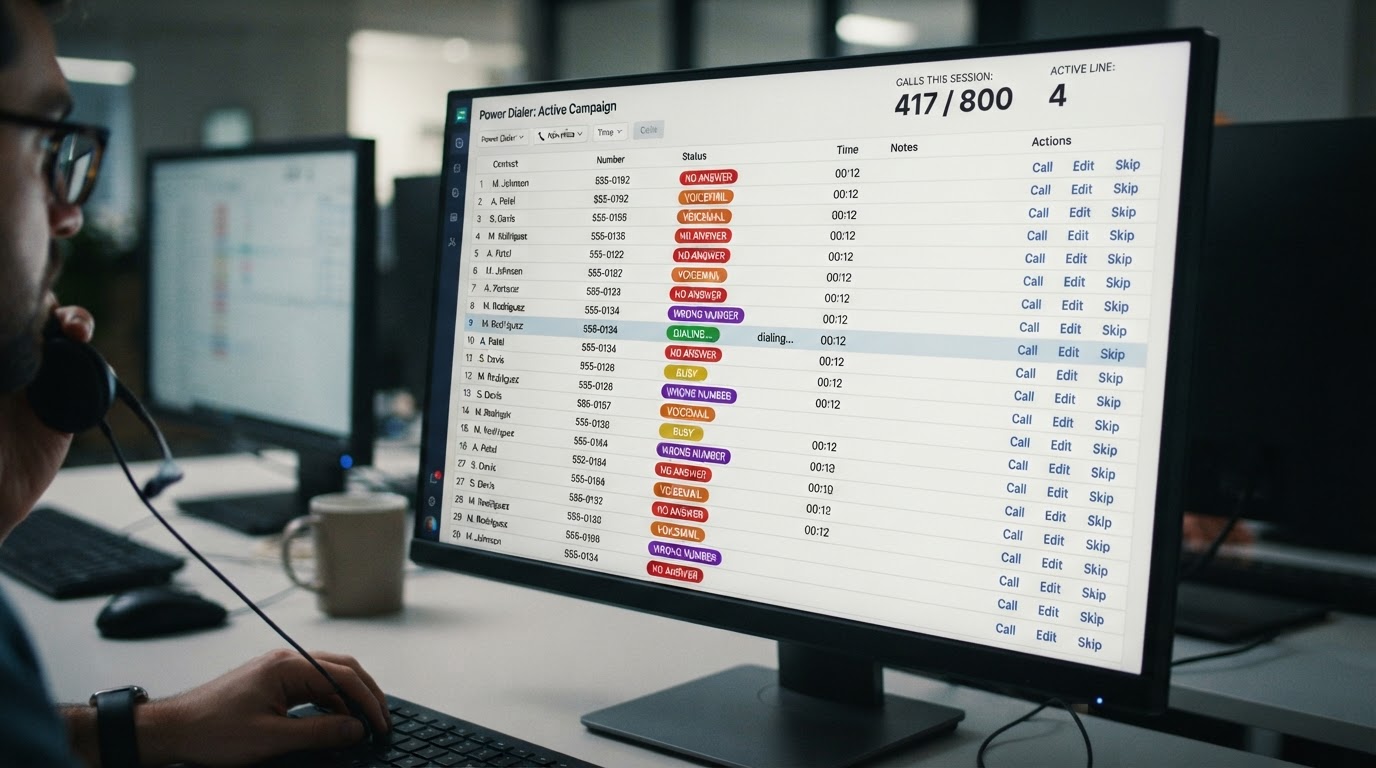
Aged leads are contact records that are 30 days to several years old. Someone filled out a form about coverage, was never sold, or went quiet. Vendors sell them in bulk, often for under $1 to about $5 a record, and agents load them into a power dialer and work the list for hours at a time.
Plenty of agents start here, and some stay. With the time and a good dialer, the volume can work, and now and then a prospect who wasn't ready last year is ready now. The trade is that the numbers go stale: most calls end in a voicemail, a wrong number, or someone who doesn't remember filling anything out. Because you're calling out, Do Not Call scrubbing, consent records, and calling-hour rules are on you, and long, low-contact sessions are what burn agents out.
Direct Mail Leads and Door Knocking
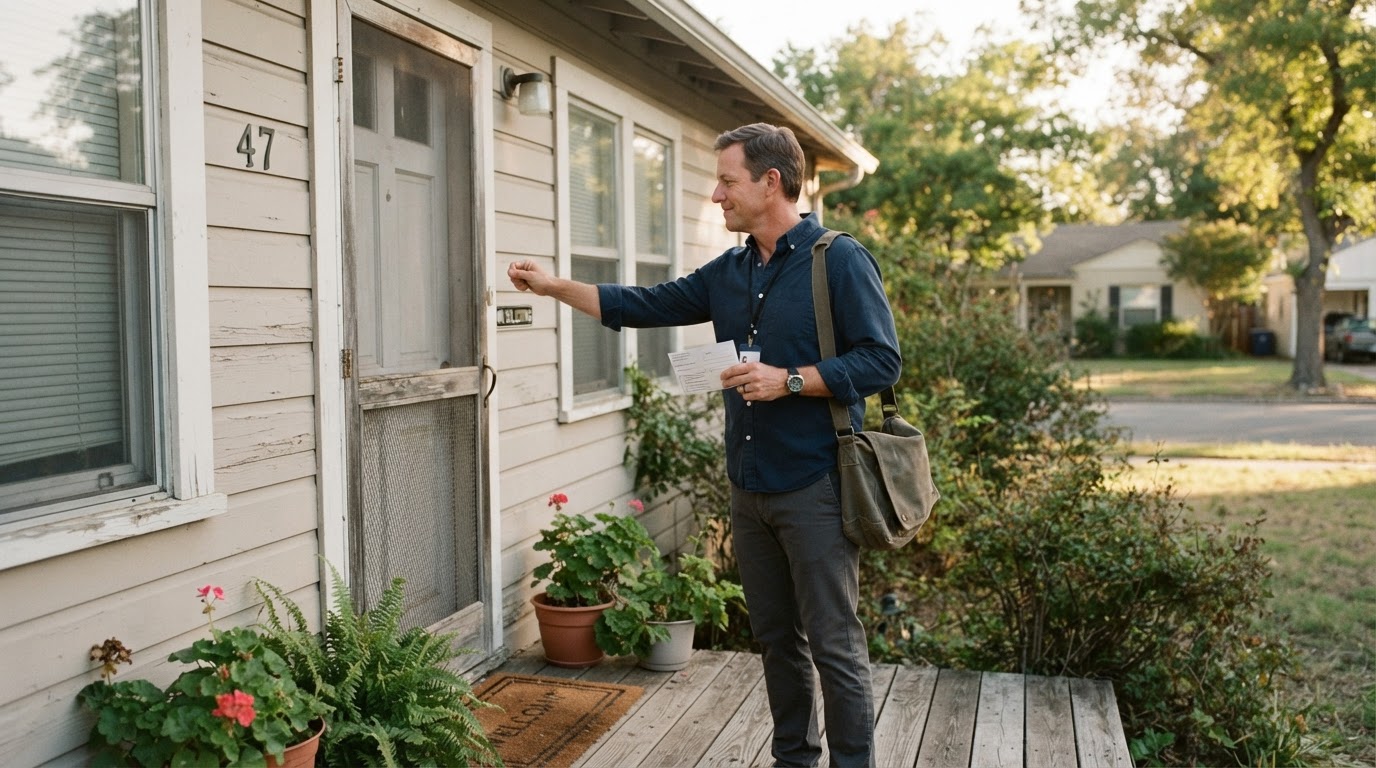
A reply card goes out to seniors in a territory, and the people who send it back become your leads. Some agents call to set a meeting. Others drive to the door for a kitchen-table presentation, with the signed card in hand.
This is the old-school route, and it earned its reputation. A card the prospect mailed back is real interest, and sitting at their table builds trust a phone call can't. It suits rural and suburban agents who like face-to-face selling. For a phone agent at a desk, it's a different job: drops take two to four weeks to produce the first leads, most mail houses want 1,000 to 5,000 pieces (about $600 to $4,500 up front) before anyone responds, and much of your day is spent driving.

Fresh Leads You Dial (Vendor, IMO Program, or Your Own Meta Ads)
A fresh lead is a senior who filled out a form from an online ad within the last few minutes or hours. It lands in your CRM, and you call. Exclusive leads go only to you. Shared leads go to several agents at once. You can buy them from a vendor, get them through your IMO's lead program, or run your own Meta lead ads.
Fresh leads are the default for a reason: the interest is recent, and you pick your volume and states. But a form fill isn't a phone call, and you still have to reach the senior, often within minutes and ahead of other agents. "Free" IMO leads usually cost a lower contract level on every policy, and your own ads mean a learning curve, a ramp-up, and the risk of ad account restrictions.

Live Transfers
A live transfer is a call that someone else has already started. A call center, usually dialing out, reaches a senior, asks a few screening questions, and hands the live call to you. You're billed once the call stays connected past a set buffer, often 90 to 180 seconds. Published prices typically run from about $20 to $70 per billable transfer.
It's easy to see why agents like them. The prospect is already on the line, so there's no dialing and no voicemail, and during transfer hours conversations stack back to back. It also looks a lot like an inbound call, which is why it deserves a close look: the person on the phone didn't call anyone. A screener called them, and you inherit whatever was said before you join, plus questions about how the call center got the number and what consent it holds. A seller can be held responsible for a third-party telemarketer's calls made on its behalf.
The Pattern Nobody Talks About
Look at the four methods above. They're different in almost every way. But they have the same problem.
In every one of them, you or someone else starts the conversation.
With leads, you dial a person who asked a question once. With mail and door knocking, you show up after a card went out. With transfers, a call center dials and hands you the result. The senior is always on the receiving end of the first contact, and your day is built around reaching them.
Here is how the examples above line up, per policy:
| Method | Who starts | Dials / policy | Hours / policy | 13-mo retention* |
|---|---|---|---|---|
| #5 Aged leads | You | about 150 | about 5 hours | 50 to 60 of 100 still active |
| #4 Mail & door knocking | You, after a returned card | about 6 calls and 6 visits | 4 to 5 hours, much of it driving | —Not compared here: the trade-off is time, driving, and a slow start |
| #3 Fresh leads | You | 44 | 2 hr 40 min | 65 of 100 still active |
| #2 Live transfers | A call center | none | about 2 hours, including waiting | 55 of 100 still active |
| #1 Inbound calls | The senior | none | 1 hr 10 min | 80 of 100 still active |
Two things stand out. First, only inbound starts with the senior calling you. Second, your selling hours are the scarce resource, and inbound is the method that gives them back. Aged and fresh leads ask for 44 to 150 dials and 2.5 to 5 hours for one policy. Mail and door knocking ask for weeks of waiting, a stack of visits, and a lot of driving. Transfers skip the dialing, but you still spend about 2 hours per policy waiting and picking up a conversation someone else started, and of the phone methods here, the retention model is the weakest.
So what changes when the senior makes the first move?
Live Inbound Calls, Through Policy Ring
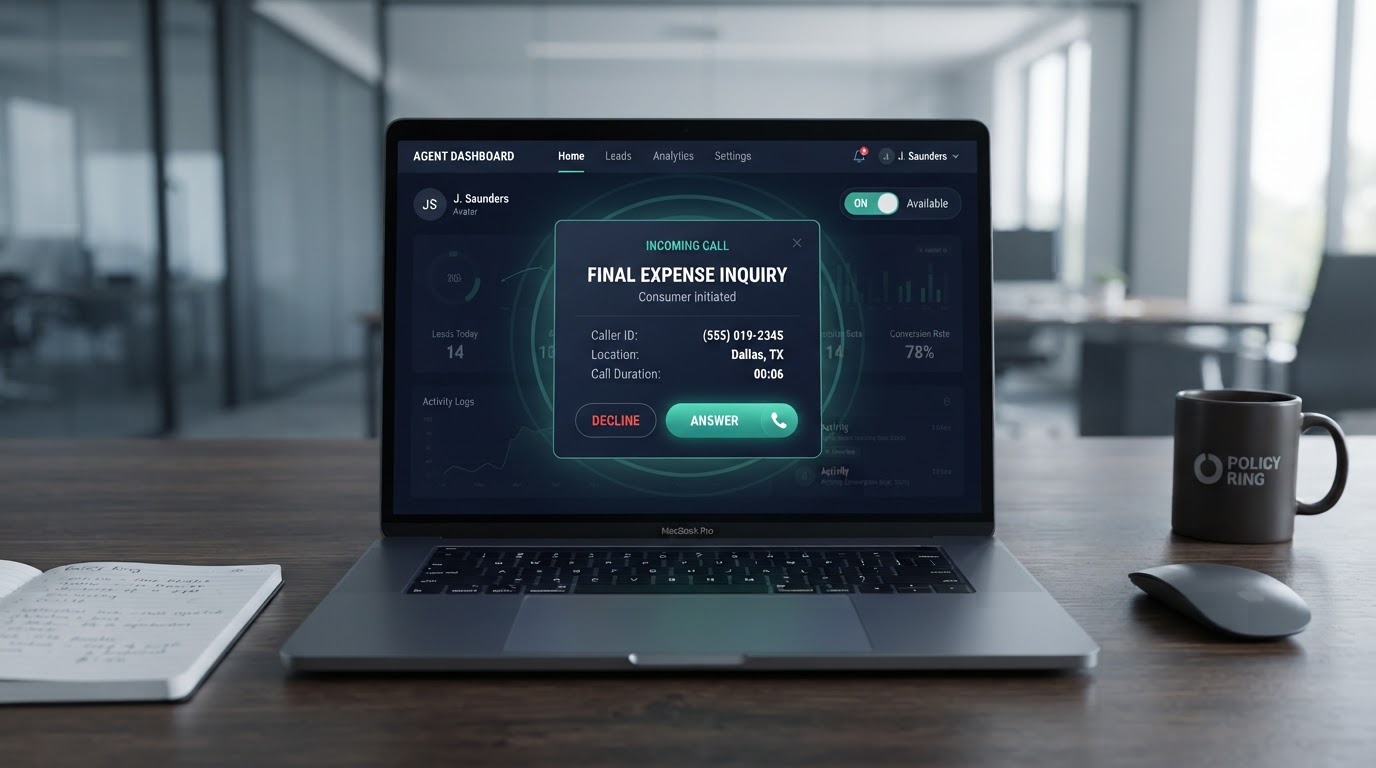
An inbound call is the reverse of every method above. The senior sees a final expense ad, picks up the phone, and calls on their own. Nobody cold-called them and nobody pitched them first. Policy Ring routes that live call to a licensed agent's computer based on the states they're licensed in and whether they've marked themselves available.
Policy Ring was founded by an advertiser who spent years running paid advertising campaigns and managing large ad budgets for enterprise companies, and launched it in 2026 focused only on final expense. It's built for licensed agents who already have their own carriers and sell by phone. Nothing to install: you take calls in a browser (Chrome or Edge) on a computer with a wired headset. An on-screen script helps you qualify the caller, and a qualification buffer lets you confirm they're a fit before the call becomes billable. You keep your own carriers and your own sales process.
Two kinds of calls
Policy Ring offers two call types. The difference is where the senior saw the ad before calling:
- Social Inbound: the senior saw a final expense ad on social media and called.
- CTV Inbound: the senior saw a final expense ad on connected TV (streaming TV) and called.
In both cases the senior started the call. The billing clock starts when you connect, and the threshold is set per call type: 90 seconds for Social, 60 seconds for CTV. Calls that end before then aren't charged.
Pricing: a flat fee per billable call. Social Inbound is $50 per call. CTV Inbound is $65 per call. There are no monthly fees, no setup fees, and no per-minute billing.
Current deals: buy 5 calls, get 1 free. Buy 10 calls, get 2 free.
What to know before you buy: wallet minimum $250; billing starts after the threshold for the call type; hours are Monday to Saturday, 8 AM to 8 PM Eastern; whether a call turns into a policy depends on you, your carriers, and the caller.
Live inbound calls · $50 Social / $65 CTV per billable call · No monthly fees
Side-by-Side Summary
| Rank | Method | Who starts | Dials / policy | Hours / policy | Retention | Best for |
|---|---|---|---|---|---|---|
| #1 | Live inbound calls (Policy Ring) | The senior | None | About 1 hr 10 min | 80 of 100 still active | Phone agents who want selling hours, not dialing hours |
| #2 | Live transfers | A call center | None | About 2 hours, incl. waiting | 55 of 100 still active | Agents who accept picking up a conversation someone else opened |
| #3 | Fresh leads you dial | You | 44 | 2 hr 40 min | 65 of 100 still active | Newer agents who can call within minutes |
| #4 | Direct mail & door knocking | You, after a returned card | About 6 visits | 4 to 5 hours, plus weeks of waiting | Not compared: see hours and timeline | Field agents in rural and suburban areas |
| #5 | Aged leads on a dialer | You | About 150 | About 5 hours | 50 to 60 of 100 still active | Agents on a tight budget with hours to dial |
Dials, hours, and retention figures are the illustrative examples above, not predictions. Retention is a model, and Policy Ring's actual 13-month figure has yet to be established.
Common Questions
Isn't an inbound call just a live transfer?
Why rank inbound first?
Do I pay for calls that don't qualify?
What do I need to get started?
The Bottom Line
Every method on this list can work, and agents write business from all five. The difference is where your hours go. If most of your week is spent getting a prospect on the phone, the problem may not be your script. It may be how your conversations start.
They called you. Spend your selling hours on the conversation, not on dialing.